Beim EU-Gipfel am 18./19. Februar wird die “Bewältigung der Flüchtlingskrise” weiter im Mittelpunkt stehen. Der Joint Action Plan mit der Türkei und der Druck auf Griechenland zur besseren Zusammenarbeit hat noch nicht die erwünschte Wirkung gezeigt. Zwar spricht die Kommission in ihrer am 10.2. veröffentlichten Bestandsaufnahme über die Implementierung der im Dezember beschlossenen Maßnahmen von “großen Erfolgen”. Außer der Steigerung der Registrierungszahlen und abgenommenen Fingerabdrücke in Italien und Griechenland, bestätigt der Bericht jedoch eher eine stockende Umsetzung und wenig politischen Willen der Mitgliedsstaaten.
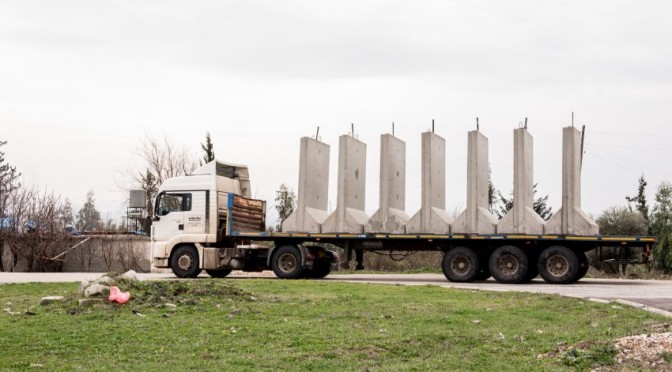
Article by Mathias Fiedler, Photos by Charlotte Schmitz
One can recognize the negotiation process between the EU and Turkey in the so called “harmonization packages“ which were aimed to harmonize Turkish law with the European Union legislation[1]. The EU is more than ever before eager to collaborate with Turkey and both “partners“ agreed on a “joint action plan” concerning migration [2]. Turkey, being the most important transit country to Europe, is one of the “focal points of the EU’s externalization strategy” and the EU promised three Billion EUR for the reception of refugees. But while the EU-countries still are in disagreement on how to raise that sum, Erdoğan already stated that this amount of money won’t be enough anyway. However, the closer EU-Turkey collaboration has already had negative effects for refugees in Turkey: Refugee rights organizations stated that “more detention“ and “less reception” was one of the first consequences of the agreement [3].